Tea
How to make a cup of tea
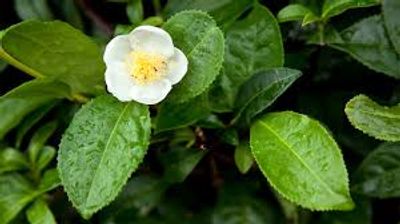
The far east is a bastion of the tea culture. From India to China, Japan, Thailand, Bhutan, Nepal, Vietnam, Myanmar, Cambodia and Laos tea are not only a warm inviting and calming beverage but comes with tradition and rituals. Kenya, which is on the eastern coast of Africa is known for its tea as well. The history of tea is as complex as some of the blends that can be created. The floral scents along with citrus or smoky full bodied or light if that's what you choose. And truly the choice is yours to make. Just the idea of making a cup of tea sounds so inviting. The warmth, sweetness and calming sensation…um what variety are you dreaming about? There are different processing methods that will alter the taste of tea. These are white, yellow, green, black and oolong all of which come from one plant…the camellia sinensis plant. In Kenya, grown at a very high altitude is purple tea. It has an abundance of anthocyanins akin to blueberries. The differentiation of tea is based on where it’s grown, how early in the season the leaves are picked, how much oxidation occurs, the fermentation process and if it is pressed or not. Additionally, there are a myriad of different herbs or spices that can be added to the processed tea which changes the aroma, taste and nutritional value of the tea.
Camillia sinensis originss
The Camillia sinensis plant has its origins in the eastern part of the world. Southern China (particularly Yunnan Province), Assam region of India ( The Himalayan foothills), Laos, Myanmar, Thailand and Vietnam. There are 2 distinct varieties of the sinensis plant. The Chinese variety which has smaller leaves, readily adapts to cold weather and grows at higher altitudes. The assamica variety is from India, Laos, Myanmar, Thailand and Vietnam. It has broad leaves and is adapted to warm tropical weather.
Nutritional contents of camellia sinensis
Camellia sinensis has an abundance of vitamins, minerals and other constituents that provide the body with nutrients that are so important to growth and repair. The tea plant is rich in polyphenols which are strong antioxidants. Tea contains polyphenols such as catechins like Epigallocatechin gallate (EGCG), epicatechin, and their derivatives. Theaflavins and Thearubigins also polyphenols created in tea during the processing of black tea. Flavonols (a type of flavonoid) like quercetin and myricetin which are very useful in fighting inflammation, promote bone formation and protect against neuronal damage and neurodegenerative diseases. Quercetin and myricetin aid in maintaining intestinal integrity, gut microbiota balance in your gut microbiota and promotes immune tolerance in the gut. Alkaloids such as caffeine, theobromine and theophylline are contained in tea. A unique amino acid L-theanine is found in tea particularly green and black tea. L-theanine has the ability to promote relaxation and focus without causing the consumer to be drowsy. It achieves this by increasing alpha brain waves. In this action it potentially eases stress thereby improving sleep, while boosting cognitive function particularly attention and working memory. Tea contains the vitamins C, E, B2 and B3 as well as the minerals manganese, potassium, magnesium, calcium, iron. Tea has a very complex aroma profile which is influenced by the different constituents that are responsible for that particular attribute. Terpenoids such as linalool, geraniol, nerolidol are responsible for the floral/sweet notes. Aldehydes such as hexanal, nonadienal are responsible for the grassy/fatty aroma while ketones such as β-ionone, cis-jasmone are responsible for the fruity/floral scent. and esters methyl jasmonate which is a volatile organic compound, specifically a methyl ester of jasmonic acid. All of these attributes and constituents are vastly influenced by the specific processing that takes place.
Loose tea vs bagged tea
Americans have been going back to the use of loose tea for about the last 20 years. It was here in America that tea bags were invented. Tea bags were invented for a couple of reasons, portion control and getting use from the ground leaves that are too small to use as loose leaves. The original Tea bags were made of silk muslin which was patented in 1903. Thomas Sullivan, a tea merchant, used these commercially. Later William Hermanson made paper fiber ones and reportedly sold the patent to the Salada tea company in 1930. Today Tea bags are made from a variety of materials some natural some synthetic. Nylon, polypropylene and PET plastic are a few of the synthetic materials used in both the body of the bag and closure material. These materials give off microplastic when you pour hot water over them, and you end up consuming it. It isn’t good for you or the planet because the bags are not compostable and do not break down in landfills. Eco-friendly bio plastic materials such as PLA and Soilon are made from corn and sugarcane. These are a decent alternative for tea bag manufacture. Natural fibers such as abaca (banana stalks), and plant cellulose from wood pulp are excellent choices for tea bags. Plant cellulose doesn’t need glue it naturally adheres to itself, and it breaks down quickly in landfills or your compost pile. The original tea bags made of silk with a cotton drawstring is also a good alternative. Now here’s the question… Do we really need tea bags? Sure, they are convenient, they keep the mess to a minimum, but we don’t really need them. There is a myriad of choices when making a cup of tea. Some teacups come with covers and infusers, so that if you have loose leaf tea you place it in the infuser which fits in the cup, pour the water over it. When finished brewing and you’re ready to drink it take out the infuser and flip the cover over and place it in there keeping it neat and tidy. If you choose to use a tea bag you can do that as well. My grandmother used a tea ball. A small metal(aluminum) infuser that you placed loose tea in then placed the tea ball in the cup and poured hot water over it. Today tea balls are made of stainless steel because aluminum has been found to create plaques in the brain which we refer to as Alzheimer’s.

Different processing methods of tea
White tea
White tea originated in the Fujian province of China over a thousand years ago and as time passed Sri Lanka, India, Nepal, and Kenya also offer white tea. White tea is made from the young leaves of the camellia sinensis plant and has undergone no oxidation or processing. The buds are then covered to prevent any formation of chlorophyll. White tea is named such due to the silver fuzz that covers the buds that turns white when dried. There are different varieties of white tea which is dependent upon the proportions of buds to leaves. For instance, white peony is 1 bud to 2 leaves and silver needles only buds picked in early spring. White tea has surged in popularity due in part because it contains more polyphenols, than other teas. Polyphenols are the antioxidant that fights and kills cancer-causing cells. A 2004 study at Pace University concluded that white tea could help build your body’s immune system to fight off viruses and dangerous infection-causing bacteria. The same study concluded that fluoride-rich white tea aids in the prevention of the growth of dental plaque, the chief cause of tooth decay as well as cardiovascular disease.
Green tea
Green tea has been used in China for thousands of years. Archeological evidence does indicate that green tea has been consumed in China as far back as three thousand years ago. Green tea became an intrinsic part of Chinese culture by the Tang dynasty (seventh century) with ceremonial preparations and specialized cultivation methods. Today there are hundreds, of regional varieties of green tea in China, each having its own history as well as a differentiation in processing and cultivation. There are high-end varieties such as Long Jing (Dragonwell) and Bi Luo Chun which were made as tribute gifts to the imperial court. Green tea consumption and production spread to Japan, Korea and Vietnam during the sixth century. Green tea leaves are plucked and left to dry for 8-24 hours afterwards. Then the leaves are either pan fried as in China or steamed as in Japan. Steaming the leaves helps them retain a more vibrant green color as well as the light grassy taste. This action stops the oxidation process. Then the leaves are rolled and ready for shipping. Green tea contains antioxidants to fight free radicals which scientists believe causes cancer.
Yellow tea
Yellow tea is mentioned by historians as early as the seventh century during the Tang dynasty. The yellow tea in ancient times more than likely comes from a tree variety where the buds and leaves have a natural yellow hue. Both Shou Zhou Huang Cha and Mengding Huang Ya are natural yellow teas because of the natural yellowing of their buds and leaves. In the modern era yellow tea is processed. The process is similar to that of green tea however an extra step is required. The tea leaves are wrapped or piled to gently oxidize thus creating a yellow hue and mellow flavor. It has a slower drying phase than green tea, but it has the same nutritional benefits as far as the antioxidant content. It smells quite like black tea, tastes similar to green tea but without the grassy aftertaste.
Black tea
Black tea was first created during the Ming dynasty (during the 1600's)in the Wuyi Mountains in Fujian Province made, with famous early types like Lapsang Souchong. Dutch traders brought it to Europe and the British turned it into a daily ritual and then there was the Boston tea party. Black tea is a variety of tea that is more oxidized than all the other varieties. Black tea is generally stronger in flavor and contains more caffeine than the less oxidized teas. In Chinese and Chinese influenced languages, black tea is known as "crimson tea" an accurate description of the color of the liquid. The term black tea refers to the color of the oxidized leaves. While green tea usually loses its flavor within a year, black tea retains its flavor for several years. After the harvest, the leaves are first withered by blowing air on them. Generally, unblended black teas are named after the region in which they are produced. Often, different regions are known for producing teas with characteristic flavors. Black tea is often blended and mixed with various other plants in order to obtain a specific beverage.
Oolong tea (pronounced wulong)
Beiyuan tribute teas (dragon and phoenix tea cakes) from Fujian, laid the foundation for oolong tea during the song dynasty (960-1279). At this time in history oolong tea was referred to as rock tea. During the Ming Dynasty (1368-1644) or early Qing Dynasty (1644-1911) rock tea evolved into what we now know as Oolong tea through changes in the processing techniques used. The distinct process defining modern oolong solidified in the 17th century, with the name "Wulong" (black dragon) appearing later, around the 1850s. It is among the most popular types of teas served in typical Chinese restaurants. It is oxidized between 10 and 70%. It’s brewed very strong, and the bitterness leaves a sweet after taste. The taste itself is more akin to green tea then black tea. It also lacks the grassy aftertaste of green tea as well as the sweet aroma of black tea. There is the semi-oxidized Oolong tea which is collectively grouped as Qingcha. Oolong tea leaves are picked on a clear morning in units of 1 bud to three leaves and left exposed to the sun. Then they are dried indoors, promoting fermentation. The fermentation stops when the leaves are 30% red and 70% green.
Pu-erh tea
Pu-erh, Pu'er tea, Puer tea (pronounced POO-urr) or Bolay tea is a type of tea made from a "large leaf" variety of the tea plant Camellia sinensis and named after Pu'er County near Simao, Yunnan, China. Classifying this tea is very complicated due to the many ways it could possibly be processed. Pu-erh teas are often now classified by year and region of production much like wine vintages. What set Pu-erh tea apart are the bacterial and fungal agents used to ferment it. Multiple strains of aspergillum spp., penicillin spp and yeasts and a wide range of micro flora are used in this process. Also, the Pu-erh is pressed. It has the same antioxidants as other teas, but it is way processed!
Preparing a cup of tea
It’s really important to note that making a cup of tea requires certain temperatures depending on the way the tea is processed. Boiling the water is a good idea however you should allow the water to sit until it has reached that temperature. Water boiled and left at too high a temperature will kill the vitamin content. Spring water as opposed to tap water is a really good idea due to some of the toxins found in tap water. Another point is using loose tea. Loose tea placed in an infuser with water poured through it keeps the tea leaves where they belong and only the delicious tea ends up in your cup. All of that being said let’s make some tea!
White tea
The ideal temperature for making white tea is 150-160 degrees. Use 2 teaspoons of the white tea per 8 oz. Cup. You can use more or less but 2 teaspoons is a good starting point. Then let it steep for 5-8 minutes. Some tea aficionados recommend up to 15 minutes for silver needles.
Green tea
The ideal temperature for making green tea is 180-190 degrees. Use 1 teaspoon of green tea per 8 oz. Cup. You can use more or less but 1 teaspoon is a good starting point. Then let it steep for 1-2 minutes.
Yellow tea
The ideal temperature for making yellow tea is 160-170 degrees. Use 1 teaspoon of the yellow tea per 8 oz. Cup. You can use more or less but 1 teaspoon is a good starting point. Then let it steep for 1-2 minutes.
Black tea
The ideal temperature for making Black tea is 200-205 degrees. Use 1 teaspoons of loose leaf black tea per 8 oz. Cup. You can use more or less but 1teaspoons is a good starting point. Then let it steep for 3-5 minutes. The longer you let it steep the stronger it becomes.
Oolong tea
The ideal temperature for making Oolong tea is 180-190 degrees. Use 2 teaspoons of the Oolong tea per 8 oz. Cup. You can use more or less but 2 teaspoons is a good starting point. Then let it steep for 1-2 minutes. High quality oolong can be brewed multiple times from the same leaves, and unlike other teas it improves with reuse. It is common to brew the same leaves three to five times, the third or fourth steeping usually being the best.
Pu-her tea
The ideal temperature for making Pu-her tea is 200 degrees. Use 1 teaspoon of the Pu-her tea per 8 oz. Cup. You can use more or less but 1 teaspoon is a good starting point. Then let it steep for as long as you want depending on the type of Pu-her you have. Taste testing is required.
Tea from India
The history of tea grown in India is somewhat confusing. Apparently, Assam tea was grown for a long period of time prior to the British knowledge of the tea. The earliest historical record is from 750B.C.The native variety of tea is the Camellia Assamica which grows in northern India, specifically the Assam region. As in China the names of the tea correspond to the region it is grown in. Native teas in India are assam, Darjeeling, Nilgiri Tea, Dooars & Terai, Sikkim Tea, Kangra and Munnar. Assam tea has a malty flavor and is used in English and Irish breakfast tea blends. Darjeeling tea is grown in the Himalayan foothills, near Nepal and Bhutan. Specifically in the Darjeeling district of west Bengal. Darjeeling tea is referred to as the "Champagne of Teas," due to its lighter taste and distinct floral/muscatel (wine) notes. Darjeeling tea is available in black, green, white, and oolong types. Nilgiri Tea is From Southern India, it is considered a brisk, full-bodied cup with a natural sweetness, used extensively for iced tea. Dooars & Terai are grown in the Himalayan foothills, offering good quality black teas, that are often used in blended teas. The Dooars-Terai tea is characterized by a bright, smooth and full-bodied liquor that’s lighter than Assam tea. Sikkim tea is grown in Ravangla south Sikkim at the Temi Tea Estate, the only tea garden in the state. The estate resides on the Himalayan foothills at high altitudes. Temi tea estate grows high quality organic tea which is prepared as green, black, white and oolong. The tea has distinctive floral notes similar to that of Darjeeling but unique to Sikkim's territory. Kangra Tea is produced from hybrid Chinese tea shrubs and is grown in India's Kangra Valley in Himachal Pradesh. It is known for its distinctive fruity flavor and floral aroma. Kangra tea is often compared to Darjeeling tea and is available as both the black and green varieties of tea. Kangra offers a smooth, subtly pungent taste with a sweet lingering aftertaste for black tea and a delicate woody note for green tea, rich in antioxidants, and comes in organic and single-estate varieties. Munnar tea is grown in the high-altitude hills of Munnar, a hill station in the Idukki district of Kerala, South India, within the Western Ghats mountain range, with plantations like Lockhart, Kolukkumalai (one of the world's highest), and Pallivasal being famous spots for its brisk, flavorful teas. The high altitude and climate yield strong, brisk orthodox teas with a distinctive fruity aftertaste.
Kenyan tea
Tea was originally brought to Kenya and planted in present day Limuru. The year was 1903 when an early settler from Britain G.W.L. Caine (George William Leslie Caine) planted tea for ornamental purposes. In 1924 Brooke bonds a British tea brand sent Malcolm Fyers Bell, to Kenya to start the first commercial estates. Since then, tea has become a huge cash crop for Kenya and contributes to their economy along with coffee, horticulture and tourism. Kenya is third in tea production behind China and India. Black tea accounts for most of the tea produced however green tea, yellow tea, white tea and purple tea are also available. Purple tea is a natural occurring tea due to the anthocyanins contained in it.
Common tea blends
Earl grey
Earl Grey tea is Black tea usually Assam, Darjeeling, Keemun as a base which is then infused with bergamot orange essential oil. It is said to have been invented in England and is named for the 2nd earl grey who was the prime minister of England in 1830. Another story was that it was a gift by the Chinese mandarin’s, a tea blend that was created for the 2nd earl to improve local water quality at the Grey family's estate, Howick Hall, in Northumberland.You can purchase it already made in loose leaf form or in teabags.
Ingredients
1 teaspoon of Black tea (Assam, Darjeeling, and Keemun)as a base
bergamot essential oil or the rind of 1 bergamot orange dried and lightly ground.
Directions
1) You can spray the tea leaves with bergamot essential oil or using dried bergamot rind lightly ground and mixed with black tea.
2) Use Fresh cold spring water. The ideal temperature for making Earl grey tea is 180 -190 degrees.
3) Place 1 teaspoon of the tea blend in a tea ball or other device, place it in your cup, pour the water in and let it steep for 3-5 minutes.
English breakfast tea
English breakfast tea was created in New York city in 1843 by an English immigrant Richard Davies, an English apothecary. It was created as a strong tea able to stand up to a hearty English breakfast.
1) Create a blend of assam, Ceylon and Kenyon teas.
2) Use Fresh cold spring water. The ideal temperature for making English breakfast tea is 180 -190 degrees.
3) Place 1 teaspoon of the tea blend in a tea ball or other device, place it in your cup, pour the water in and let it steep for 3-5 minutes.
Masala chai
Masala chai is a traditional Indian beverage that literally when translated means spiced tea. Brewing chai tea with black tea either assam or Ceylon will ensure a full bodied tea where the spices don’t drown out the tastes of the tea. Additionally, a sweetener such as sugar and full fat milk create a wonderful warm healthy winter beverage.
Ingredients
The spices that are traditionally used are cinnamon, cloves, cardamom, fennel, ginger and nutmeg. The easiest way to make it is by purchasing spices already ground and making a mix beforehand. You may also choose to purchase the spices whole and using a mortar and pestle break them up enough to release the essential oils contained in them. I use 2 parts cinnamon, 2 parts ginger, 1 part cloves, 1 part cardamom, 1 part fennel, 1 part nutmeg. I make this blend and leave it in a mason jar. It lasts 6 months.
Directions
1) Boil some water in a pot (about 10 oz.) then let the temperature come down to 180-190 degrees. This preserves the vitamins in the tea a well as the spices.
2) Spoon 1 teaspoon of the spice mix and let it steep for a minute or so.
3) Add 1 teaspoon of the black tea. Allow 2-3 minutes to steep then using a fine mesh strainer strain the tea into a cup leaving enough room for milk. Add a sweetener if you desire.
Moroccan mint tea
Moroccan mint tea preparation and serving is as much a tradition as it is a ritual. It is a traditional symbol of hospitality and considered impolite to refuse a cup.
Ingredients
4 cups bottled water
4 tsp. Chinese gunpowder green tea leaves
6-8 sprigs fresh mint (spearmint is traditional)
4 tbsp pure cane sugar (adjust to taste; traditionally very sweet)
Equipment
Moroccan tea pot with infuser
Directions
1) Warm and Rinse the Moroccan tea pot.
Bring the 4 cups of water to a boil in a separate pot. Pour ½ cup of the hot water into the Moroccan tea pot. swirl it around to warm the pot and then discard the water.
2) Wash the Tea Leaves
Add the gunpowder tea leaves to the pot using the infuser. Pour about 1/2 cup of boiling water over the leaves, swirl gently, and then pour out only the water leaving the tea in the infuser. This step helps to reduce the bitterness and clean the leaves.
3) Combine Ingredients:
remove the infuser and put the tea leaves in the pot add the mint and sugar.
4) Brew
Pour the remaining hot water into the teapot. Place the pot over a low flame and let it simmer so that the sugar caramelizes which is the essence of the distinct flavor of Moroccan tea.
5) Aerate and Mix
Pour a glass of tea, then immediately pour it back into the teapot. Repeat this process about three to four times. This action helps to fully dissolve the sugar, mix all the flavors, and aerate the tea.
6) Serve
Pour the tea into small decorative glasses from a height of at least 12 inches to create a light froth on top. If you wish you can garnish each glass with a sprig of mint.
Russian caravan tea
Russian caravan tea is a historic, smoky black tea blend. It is named for the caravans that carried tea from China to Russia on the silk road during the 18th century. It is named such because it captured the campfire aromas on its arduous journey. It has a slightly smoky flavor that is both rich and balanced often blending Chinese Keemun tea which is both smoky and toasty or Lapsang Souchong which is distinctively smoky. Lapsang Souchong originated in the Wuyi Mountains of the Fujian province of China, where it is still produced today. It has a strong pinewood aroma due to its being dried over pinewood fires during processing.
Brewing instructions
1) Bring 10 ounces of spring water to a boil, allow it to come down to around 200 degrees.
2) Use about 1 teaspoon of loose leaf tea per 6-8 ounces of water.
3) Steep for 3-5 minutes.
4) You can drink it black or add cream, sweetener or lemon
Jasmin
Jasmine tea is a beautifully fragrant tea, scented with Jasmine blossoms layered with white, green or black tea. Jasmine tea is absolutely one of Chinas most sought after teas. Due in part to its delicate sweet flavor. Jasmine the plant was introduced to China during the Han dynasty (206B.C.-220 A.D) Jasmine tea was initially developed in China during the song dynasty ( 960-1279A.D.)Jasmine tea became popular during the Ming dynasty ( 1368-1644).The quality of the tea depends on the labor-intensive, multi-stage scenting process, where fresh jasmine buds are harvested and layered with tea leaves to infuse the scent. A poor quality jasmine tea has a very artificial tasting sweet candy like taste and aroma. The good quality jasmine tea has a strong floral aroma with a very small amount of the actual flowers left over in the end product.
Jamine tea processing steps.
1) Jasmine is harvested at night when its cool just as the blossoms are about to open
2) The opened blossoms are then layered with the tea leaves and placed in a cool area.
3) The tea leaves are infused with the wonderful jasmine essential oil and fragrance over the course of several hours. This process is repeated 3-7 times. The spent flowers are sifted out prior to the addition of new ones. The more this process is repeated the higher the grade.
4) The tea is then gently heated to lock in the scent. It can be found as a loose leaf tea or It is then dried and rolled into “pearls” which unfurl as the tea is steeped.